
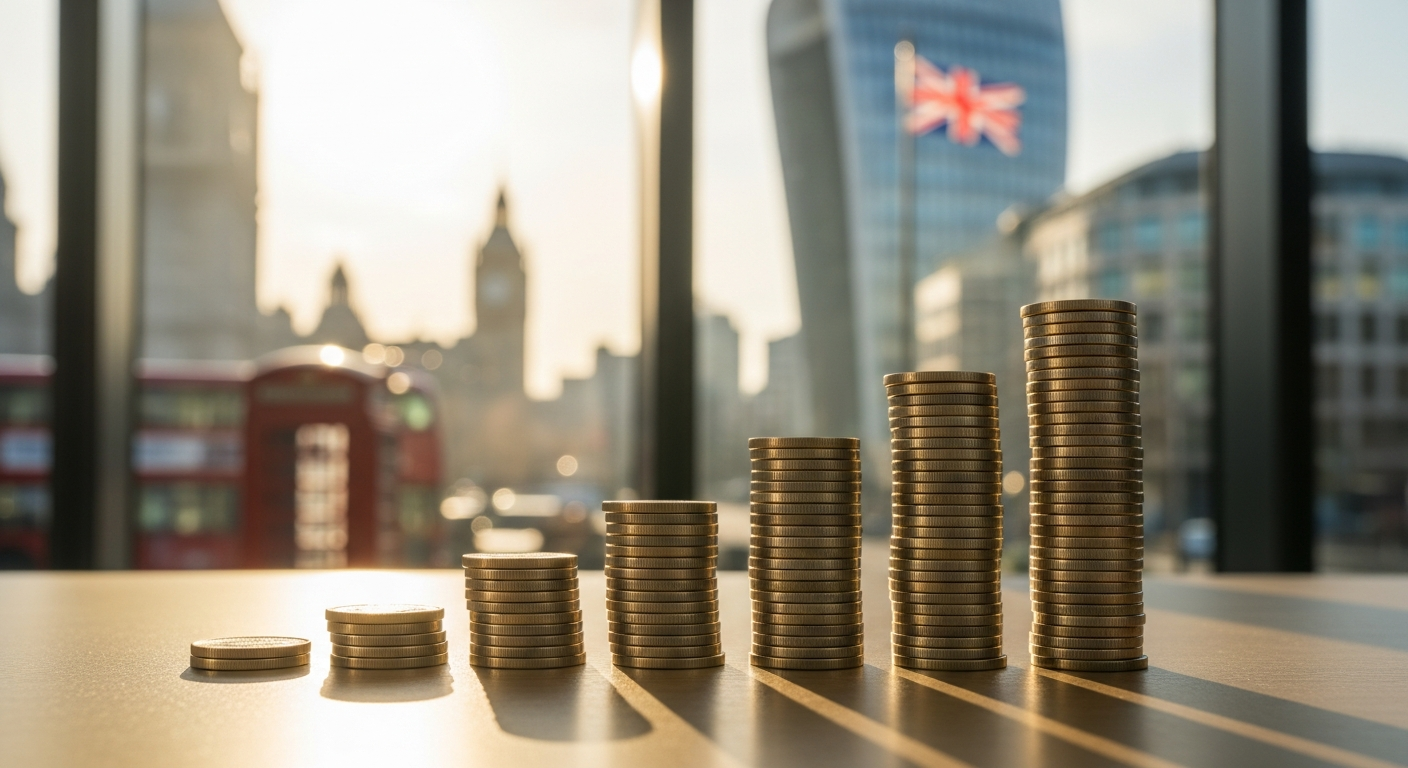
Rising interest rates are something that has happened frequently over the years and while the interest rate will always fluctuate, it’s important to know what will happen and how it will affect your finances when it goes up.
In our guide below, we discuss how the interest rate works and how it can affect things like mortgage rates, loans, credit cards, savings and properties.
What is a high interest rate?
A high interest rate or a rise in the interest rate occurs when the Bank of England increases the base rate. While it can be more complicated than that, it essentially means that banks will charge you more interest to borrow money, but it could also mean that you could earn more money on your savings and investments too.
What happens if interest rates rise?
There are several effects a rise in interest rates can have on people and their financial situation.
For example, higher interest rates could mean that it’s more expensive to borrow money, so if you’re looking to get a mortgage on a property, you could end up paying more in terms of interest to borrow the money from a bank or mortgage provider.
If you’re currently a homeowner, your mortgage rates could also increase, however, this isn’t expected to happen immediately. According to UK Finance, the banking trade body, approximately 74% of people with a mortgage in the UK are on a fixed-rate deal, so they would only see the effects of an increased interest rate if their current mortgage term ends.
One good thing that can happen as a result of interest rates rising is people’s savings can also increase too as it means you will usually earn more interest on the money you have in your savings account. This isn’t always the case, however, but in theory, this is how it should work.
Financial experts have warned that while savers could see good things as a result of increased interest rates, they could be waiting a while to see desired results. This is because many banks and building societies will be reluctant to increase interest rates on savings accounts straight away to match the base rate and it will also depend on the type of savings account you have as to whether you’ll see a benefit.
In terms of loans when it comes to rises in the interest rate, you could be looking at obtaining a much more expensive loan. Similarly to mortgages, lenders usually increase their interest rates for paying back a loan once the base rate has increased.
Unsecured loans are usually unaffected as these types of personal loans are usually charged at a fixed interest rate, but some types of personal loans could become more expensive to obtain, which means your monthly repayments would also be higher.
Furthermore, your credit card payments could also be negatively affected by a rise in interest rates as credit card companies may start to charge more when you repay your credit card.
What is the current Bank of England base rate?
As of March 2022, the current base rate in the UK is 0.50%, however, that rate can change every couple of weeks or months, especially during the Coronavirus pandemic while the Bank of England is working to control the economic effects of the pandemic.
If inflation rises, what happens to interest rates?
You can think of interest rates and inflation as having an inverse relationship, which means as one rises, the other usually decreases.
So, if inflation rises, this usually causes the Bank of England to start thinking about increasing interest rates.
If the Bank of England raises interest rates across the country, central banks can try to keep inflation lower which will in turn help to keep savings in line with other increased costs.
The current target for inflation as set out by the government that the Bank of England must try to adhere to is 2%. This figure is intended to keep the cost of goods at a stable rate while encouraging people’s wages to increase.
How to prepare for an interest rate rise
Unfortunately, there isn’t anything you can do to stop interest rates from increasing in the future, but there are a few top tips you can bear in mind so that you’re better prepared for when interest rates do inevitably increase. Check out some of the best ways to prepare for rising interest rates in the future.
- Evaluate your savings accounts and see how much interest you’re currently earning on them. If you have a fixed-rate interest savings account, you can see how much longer your fixed term will last and you can then evaluate whether to keep your savings in the fixed-rate account, or take them out and see what happens to interest rates in the future.
- If you have several loans or credit cards, try to prioritise paying off the most expensive type of debt first. So, if you have a loan with an interest rate that is already high, you should endeavour to pay that off as quickly as possible so that you don’t suffer from even higher interest rates when they’re inevitably raised.
- If you’re a homeowner with a mortgage, you should see how long you have left on your mortgage term and check what type of mortgage you have to see whether it is a variable or fixed-rate mortgage. If you’re on a fixed-rate mortgage, you may want to ensure that you have a new term arranged before the interest rates rise. Alternatively, you may decide that an entirely different mortgage term would suit you better if interest rates rise and you can make an informed decision accordingly.
- You could consider looking into other types of borrowing such as a balance transfer credit card or a 0% credit card which could make borrowing money cheaper if interest rates rise.