
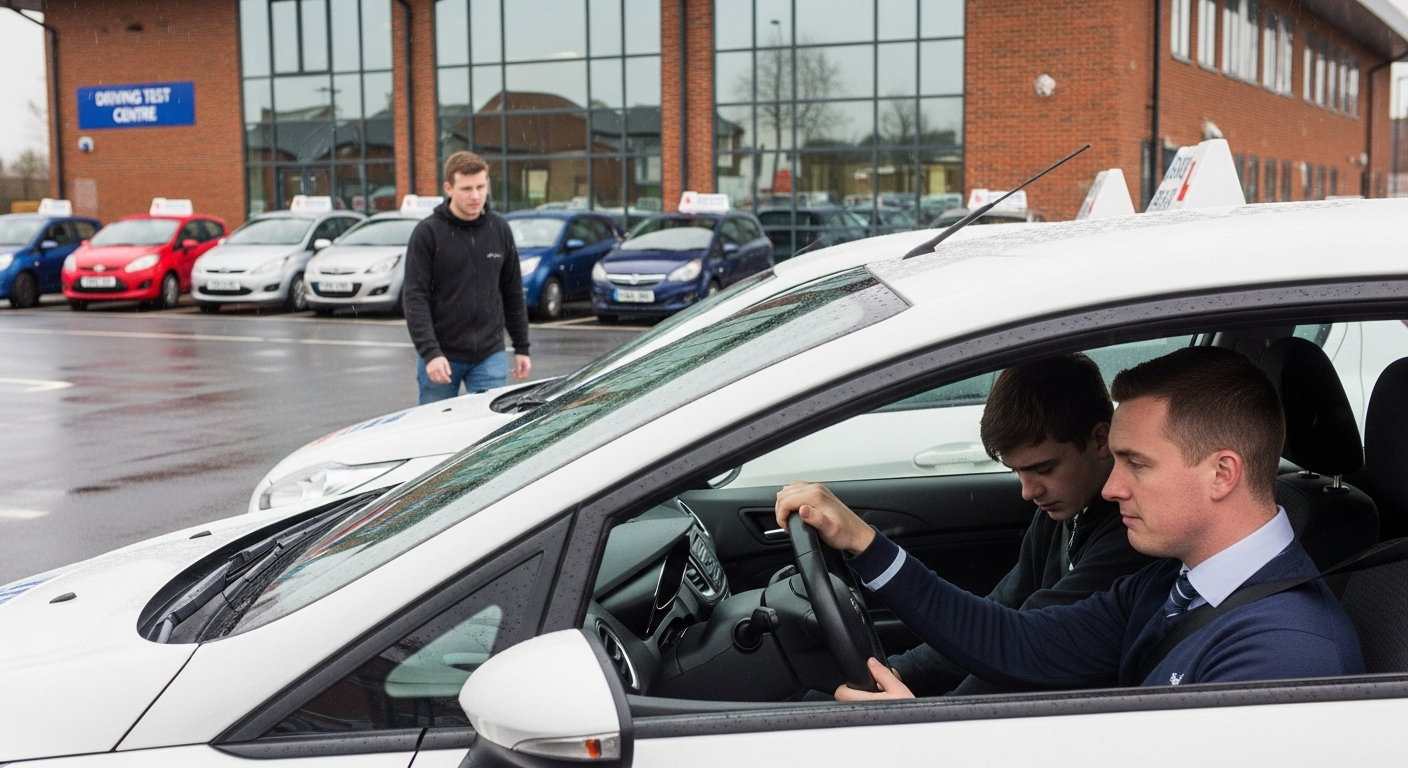
Driving tests in the UK have undergone substantial changes over the years, evolving to become more comprehensive and challenging. With an increasing number of young people not obtaining their licences, it’s worth investigating whether the difficulty of driving tests is contributing to this trend. Let’s delve into the factors behind this phenomenon and examine whether more people are indeed failing their driving tests and why.
The evolution of the UK driving test
The history of the driving test in the UK dates back to 1935 when the first test was introduced. Since then, the driving test has evolved to match the complexities of modern driving conditions and advancements in vehicle technology.
Key milestones in the driving test evolution
- 1935: The first driving test was introduced, with Mr J Beane being the first to pass.
- 1996: The separate theory test was introduced, marking a significant shift in how drivers were evaluated.
- Early 2000s: The theory test was modernised with the introduction of touchscreen technology, making it more interactive and reflective of real-world driving scenarios.
- 2002: Hazard perception testing was added, requiring candidates to demonstrate their ability to identify and respond to potential hazards.
- 2017: Major updates by the Driver and Vehicle Standards Agency (DVSA) included:
- The introduction of Sat Navs in most tests.
- An increase in independent driving time from 10 to 20 minutes.
- Replacement of traditional manoeuvres (like reversing around a corner) with new ones such as parallel parking, bay parking, and pulling up on the right-hand side of the road.
- Changes to the “tell me, show me” questions, with the “show me” part now being asked while driving.
- 2023: New rules were introduced to ease the backlog of driving tests caused by the COVID-19 pandemic, including a 28-day wait before retaking a failed test, up from the previous 10 days.
These changes reflect the need to ensure that new drivers are thoroughly prepared for the realities of modern driving, which has become increasingly complex due to advancements in car technology, stricter road regulations, and the growing density of traffic.
Common reasons for test failures
Understanding why candidates fail their driving tests can provide insights into whether the tests have become too difficult. Here are some common reasons for driving test failures:
Junctions
Junctions are a frequent source of errors during driving tests. The complexity of navigating junctions, coupled with nerves and impatience, can lead to mistakes such as:
- Failing to look in both directions before emerging.
- Poor observation at unmarked crossroads.
- Incorrect positioning over the centre line.
- Emerging into oncoming traffic.
Road markings, traffic lights and signs
Nerves can also lead to candidates missing crucial road markings and signals, resulting in serious mistakes. Common errors include:
- Driving through red lights.
- Failing to wait for traffic light changes.
- Straddling white lines.
- Ignoring box junctions.
Additionally, poor road positioning, such as driving too close to the kerb or veering too far into the centre of the road, is a frequent issue.
Steering, parking and mirrors
Parking is a primary cause of test failures, particularly among young drivers who find it stressful. Common mistakes include:
- Parking too close to other vehicles.
- Hitting the kerb.
- Poor clutch control.
Steering errors, such as oversteering or understeering around corners, and improper hand positioning on the wheel, are also common. Moreover, poor observation, failure to check blind spots, and neglecting to use mirrors appropriately contribute to test failures.
Current pass rates and trends
Despite the increasing difficulty of the driving test, pass rates have remained relatively stable since the last major changes in 2017. According to government statistics, 48.4% of candidates passed their driving test between 2022 and 2023, indicating that more than half failed. Notably, about 12% of tests require physical intervention from the examiner, highlighting the severity of some errors.
The backlog caused by the COVID-19 pandemic has added additional pressure on candidates. The extended wait time for a retest has increased the stakes for each test attempt. This heightened pressure, combined with high levels of anxiety and stress among young people, may contribute to the perception that more people are failing their tests.
Additional factors to consider
While the changes in the driving test are significant, several other factors might be influencing the pass rates:
Increased driving complexity
Modern driving conditions are more complex than ever before. With more vehicles on the road, advanced traffic systems, and numerous road safety regulations, new drivers have a lot more to manage during their tests.
Technology and distractions
The integration of technology in cars, such as infotainment systems and mobile connectivity, can be both a help and a hindrance. While these technologies can assist in navigation and safety, they can also serve as distractions, particularly for inexperienced drivers.
Societal changes
There has been a cultural shift in how young people view driving. Many young individuals now prefer public transportation, cycling, or ride-sharing services over owning a car. This shift means that fewer young people are gaining driving experience, which could impact their confidence and performance during tests.
Psychological factors
The mental health of young people is another critical factor. Studies indicate that young people in the UK experience high levels of anxiety, stress, and nervousness. These psychological factors can significantly impact their performance in high-pressure situations like driving tests.