
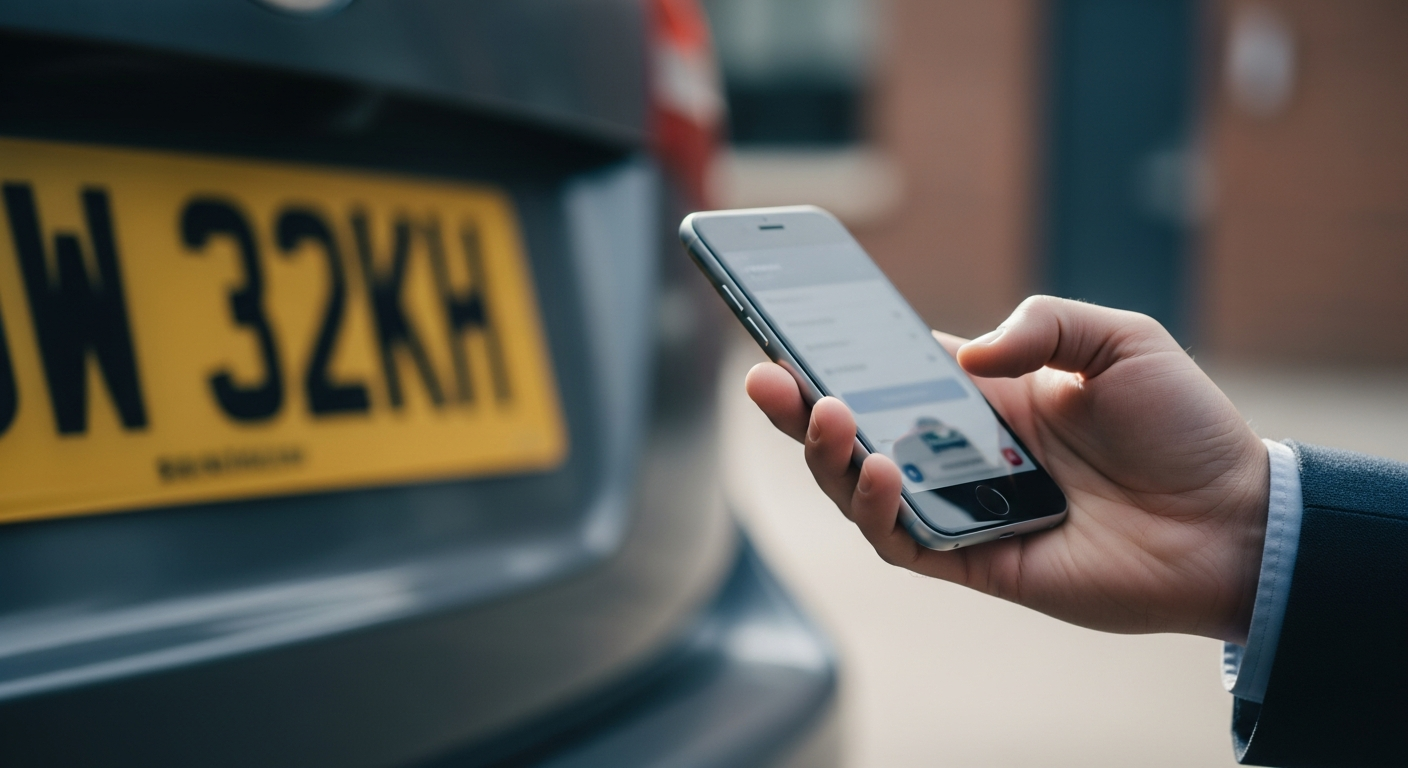
Buying a used car can be a smart way to save money, but it comes with risks. One of the most significant risks is unknowingly purchasing a stolen vehicle. If a car you buy is later identified as stolen, it could be seized by the police, leaving you without the vehicle or your money. This guide explains the steps you can take to avoid such a costly mistake and ensure you're making a legitimate purchase.
Why is it important to check if a car is stolen?
When you buy a stolen car, the law does not protect your ownership rights. If the police confirm the vehicle has been stolen, you may lose the car, and recovering your money from the seller can be challenging. Additionally, stolen vehicles are often linked to criminal activities, so avoiding them is critical for your peace of mind and financial security.
Step-by-step guide to checking if a car is stolen
1. Use a reputable vehicle history check service
A vehicle history check provides detailed information about the car, including whether it has been reported stolen, has outstanding finance, or has been written off. Trusted services like HPI Check or Experian AutoCheck are excellent options.
These checks require the car's registration number and may involve a small fee, but the information is invaluable. Some websites even bundle stolen vehicle checks with MOT history and mileage validation.
2. Inspect the vehicle identification number (VIN)
The VIN is a unique identifier for every car. You can usually find it:
- Under the bonnet or windscreen
- Inside the driver's side door frame
- In the car's V5C logbook
Ensure the VIN on the car matches the one listed on the V5C logbook and other documentation. If the numbers don’t match, or if the VIN plate looks tampered with, this could indicate the car has been cloned.
3. Examine the V5C logbook (registration certificate)
The V5C logbook is one of the most important documents when buying a used car. Check that:
- The logbook is genuine, with watermarks and no signs of forgery
- The seller’s name and address match the V5C details
- There are no missing pages or suspicious alterations
Never buy a car if the seller cannot provide a V5C logbook.
4. Assess the seller’s legitimacy
Meet the seller at their home address, ideally the one listed on the V5C logbook. Avoid meeting in public places or letting the seller rush you through the process. Ask questions about the car's history, and trust your instincts if something seems suspicious.
5. Use free stolen car check tools
Free resources like the Police National Computer (PNC) and sites like IsItNicked.com allow you to check if a vehicle is reported stolen. These tools can give you an instant indication of whether the car has been flagged, though they may not provide as much detail as paid services.
6. Check the car’s MOT history
The UK government provides a free MOT history check service (GOV.UK MOT History Check). Enter the car’s registration number to access information on:
- MOT test results and advisories
- Mileage discrepancies
- Any history of significant faults
Inconsistencies in the MOT history may indicate the car’s odometer has been tampered with, or it could raise other red flags.
7. Beware of deals that seem too good to be true
If a car is listed at a significantly lower price than similar models, this is often a warning sign. It could indicate that the seller is trying to offload a stolen vehicle or one with unresolved issues. Compare the car’s price with its market value using tools like Auto Trader or Parkers.
Additional tips for a secure purchase
- Request proof of identity - Ask the seller for photo ID to confirm their details match the V5C logbook.
- Pay securely - Avoid cash payments; bank transfers provide a transaction record.
- Consider a professional inspection - A mechanic can inspect the car to check for hidden issues.
Protect your investment with the right car insurance
Once you've verified your car is legitimate, it's time to secure it with the right insurance policy. At Compare UK Quotes, we make it easy to find the best car insurance deals tailored to your needs. Whether you’re looking for comprehensive cover or a more budget-friendly option, our service compares top providers to help you save money.
Start your search for affordable car insurance today and enjoy peace of mind knowing your car is fully protected.